Pressure Vessels
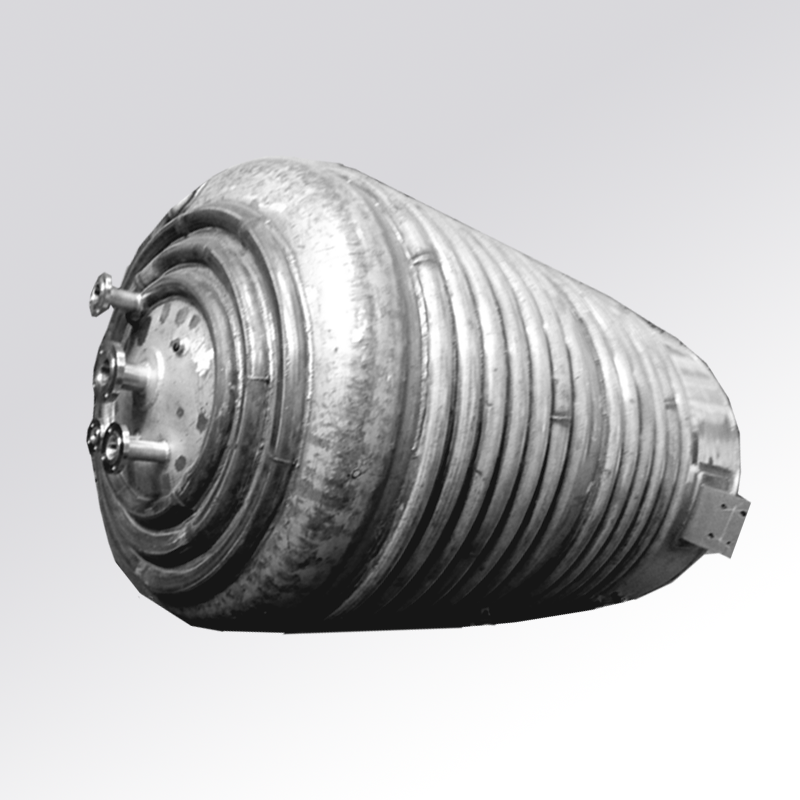
Pressure vessels can be cylindrical, spherical, or conical in shape, depending on the application and pressure requirements. The most common shape is the cylindrical vessel with hemispherical or ellipsoidal ends (heads), as this design effectively distributes stress and minimizes weak points. Materials commonly used in construction include carbon steel, stainless steel, and other alloy metals that offer high strength and corrosion resistance.
These vessels must withstand internal or external pressure, which can result from the material being stored or external environmental conditions. To ensure safety and performance, they are designed according to internationally recognized codes such as the ASME Boiler and Pressure Vessel Code (BPVC), EN 13445 (European standard), and the Indian Boiler Regulation (IBR).
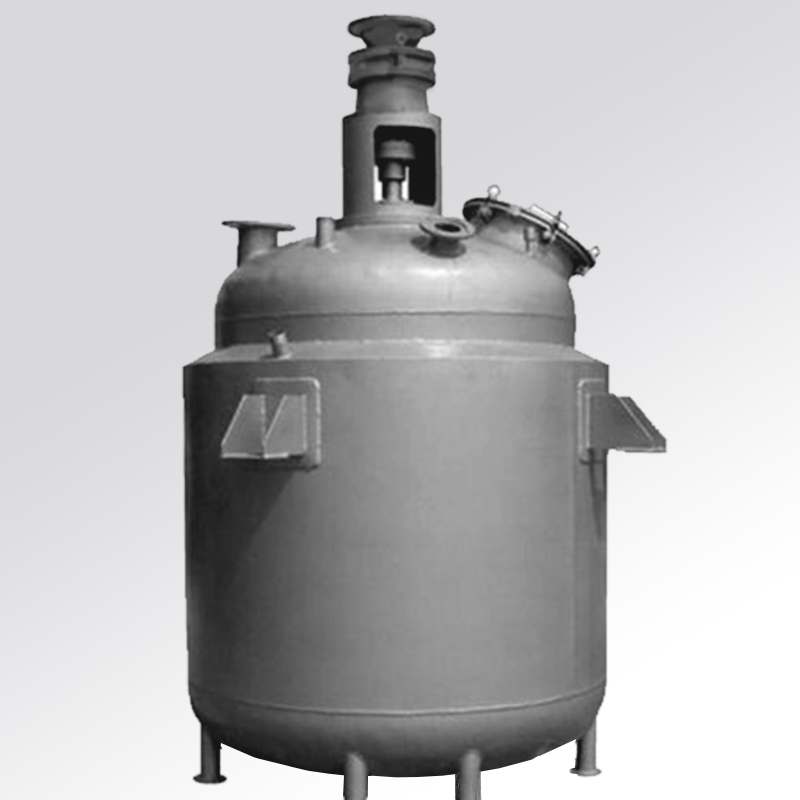
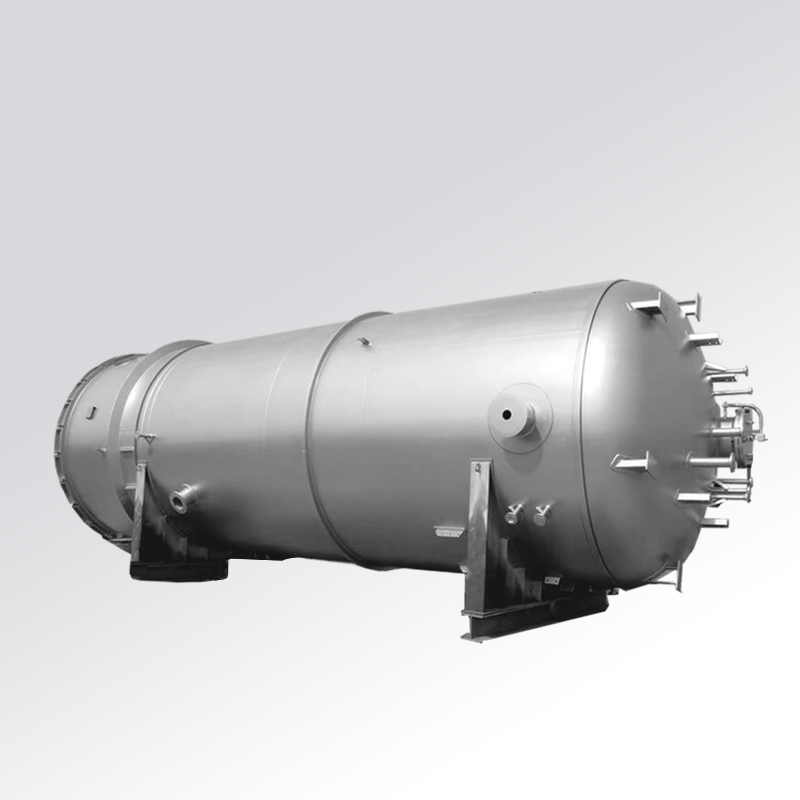
Key components of a pressure vessel include the shell (the main body), heads (end closures), nozzles (openings for inlet, outlet, and instrumentation), and supports (for mounting or installation). Additional features like manways, vents, safety relief valves, and gauges are also integrated to facilitate maintenance and safety.
Design considerations for a pressure vessel include pressure rating, temperature range, volume, corrosion allowance, and material strength. These factors are carefully analyzed during the engineering phase to avoid potential failures such as rupture, leakage, or implosion, which can have catastrophic consequences.
Pressure vessels can be cylindrical, spherical, or conical in shape, depending on the application and pressure requirements. The most common shape is the cylindrical vessel with hemispherical or ellipsoidal ends (heads), as this design effectively distributes stress and minimizes weak points. Materials commonly used in construction include carbon steel, stainless steel, and other alloy metals that offer high strength and corrosion resistance.
These vessels must withstand internal or external pressure, which can result from the material being stored or external environmental conditions. To ensure safety and performance, they are designed according to internationally recognized codes such as the ASME Boiler and Pressure Vessel Code (BPVC), EN 13445 (European standard), and the Indian Boiler Regulation (IBR).
Key components of a pressure vessel include the shell (the main body), heads (end closures), nozzles (openings for inlet, outlet, and instrumentation), and supports (for mounting or installation). Additional features like manways, vents, safety relief valves, and gauges are also integrated to facilitate maintenance and safety.
Design considerations for a pressure vessel include pressure rating, temperature range, volume, corrosion allowance, and material strength. These factors are carefully analyzed during the engineering phase to avoid potential failures such as rupture, leakage, or implosion, which can have catastrophic consequences.
Pressure vessels can be cylindrical, spherical, or conical in shape, depending on the application and pressure requirements. The most common shape is the cylindrical vessel with hemispherical or ellipsoidal ends (heads), as this design effectively distributes stress and minimizes weak points. Materials commonly used in construction include carbon steel, stainless steel, and other alloy metals that offer high strength and corrosion resistance.
These vessels must withstand internal or external pressure, which can result from the material being stored or external environmental conditions. To ensure safety and performance, they are designed according to internationally recognized codes such as the ASME Boiler and Pressure Vessel Code (BPVC), EN 13445 (European standard), and the Indian Boiler Regulation (IBR).
Key components of a pressure vessel include the shell (the main body), heads (end closures), nozzles (openings for inlet, outlet, and instrumentation), and supports (for mounting or installation). Additional features like manways, vents, safety relief valves, and gauges are also integrated to facilitate maintenance and safety.
Design considerations for a pressure vessel include pressure rating, temperature range, volume, corrosion allowance, and material strength. These factors are carefully analyzed during the engineering phase to avoid potential failures such as rupture, leakage, or implosion, which can have catastrophic consequences.